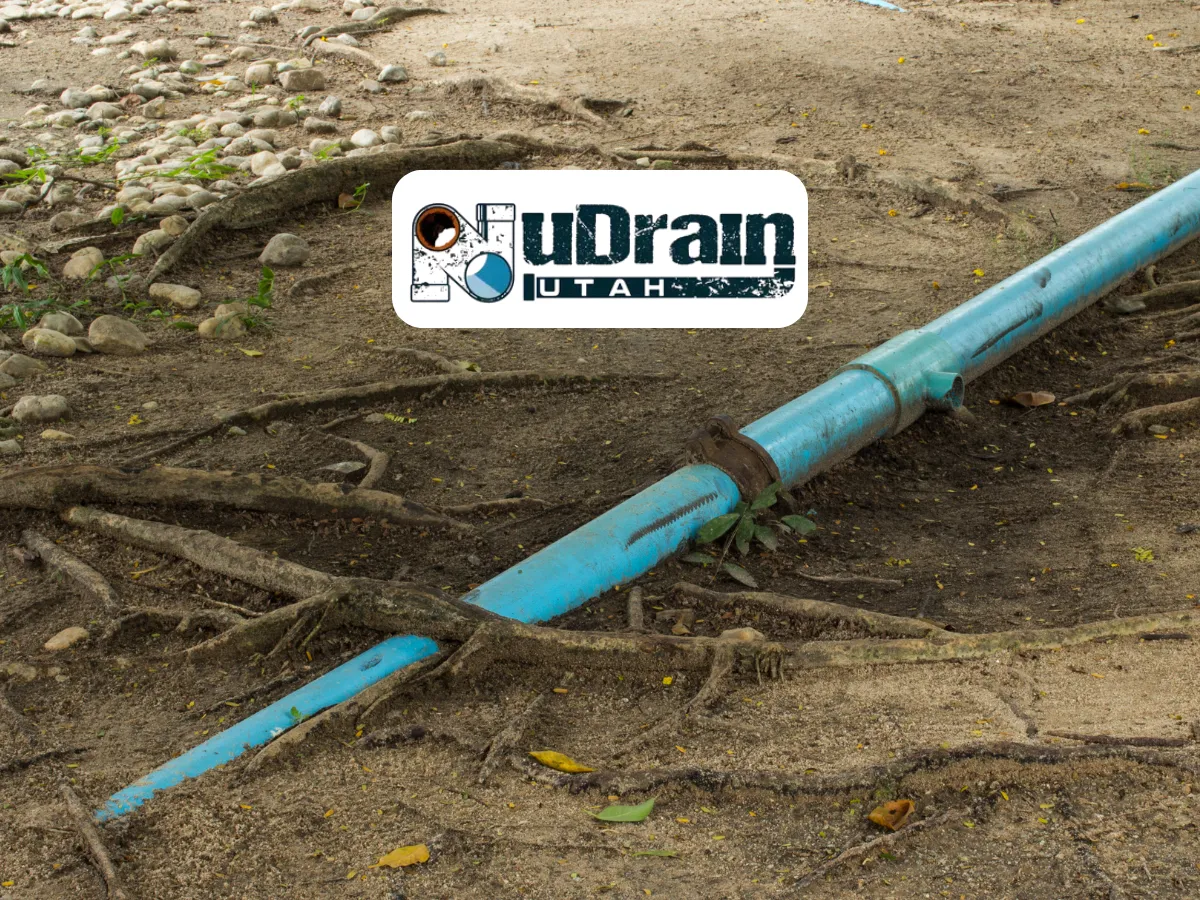
Root Intrusion: A Hidden Threat to Your Sewer Line
Trees and shrubs add shade, beauty, and value to a property, but their roots can create serious problems underground. Sewer lines carry water and nutrients, making even a small crack or loose connection attractive to nearby roots.
Once roots enter a pipe, they continue growing toward the available moisture. What begins as a small intrusion can become a dense blockage that traps waste, restricts flow, and places pressure on the pipe.
Root intrusion rarely resolves on its own. Recognizing the warning signs and addressing the problem early can help prevent sewage backups, pipe damage, and disruptive repairs.
How Tree Roots Get Inside Sewer Pipes
Healthy sewer pipes are designed to keep wastewater inside and roots outside. However, underground pipes can develop vulnerabilities as they age or shift.
Cracks, deteriorated joints, corrosion, and loose connections can release small amounts of moisture into the surrounding soil. Roots naturally grow toward that moisture and may enter through openings that are difficult to see without professional equipment.
Small Openings Can Become Major Blockages
A root only needs a tiny opening to enter a sewer line. Once inside, it has access to a steady source of water and nutrients.
The roots can spread throughout the pipe, creating a web that catches toilet paper, grease, waste, and other debris. As more material collects, water has less room to move through the line.
Root intrusion may eventually cause:
Slow drains throughout the property
Recurring clogs
Gurgling toilets or drains
Unpleasant sewer odors
Water backing up into tubs or floor drains
Sewage backups
Cracks or structural damage inside the pipe
Wet or unusually green areas in the yard
Clearing a clog may restore flow temporarily, but the problem can return if the roots and the opening that allowed them inside are not properly addressed.
Certain Pipes May Be More Vulnerable
Root intrusion can affect many types of underground pipes, but older systems may be especially vulnerable. Clay, cast iron, concrete, and other aging materials can develop cracks, separated joints, corrosion, or weak areas over time.
Soil movement, freezing and thawing, ground settlement, and heavy surface loads can also affect sewer lines. Even a relatively modern pipe may become vulnerable if a joint shifts or the material is damaged.
Properties with mature trees or large shrubs near the sewer route may face a greater risk. Roots can travel farther than many property owners expect, especially when searching for a dependable water source.
Removing a nearby tree does not automatically solve an existing intrusion. Roots already inside the line may remain, and the damaged section of pipe may continue allowing soil or groundwater to enter.
Early Detection Can Prevent Greater Damage
Root intrusion often develops gradually. The first warning may be a drain that moves more slowly than usual or a toilet that requires frequent plunging.
Because these symptoms can also be caused by grease, debris, or another blockage, the problem should be inspected rather than guessed.
A Camera Inspection Reveals the Real Problem
A professional sewer camera inspection allows a technician to view the inside of the line in real time. The camera can help identify roots, cracks, separated joints, buildup, collapsed sections, and other problems that cannot be seen from above ground.
This information helps determine:
Where the intrusion is located
How much of the pipe is affected
Whether the pipe has cracked or shifted
Whether cleaning is enough
Whether repair or replacement is necessary
Without a camera inspection, a drain may be cleared without identifying why the blockage occurred. When roots are involved, treating only the immediate clog can lead to repeated problems.
NuDrain uses advanced camera equipment to locate root intrusion and evaluate the condition of the surrounding pipe before recommending a solution.
Trenchless Repair Can Help Stop Roots From Returning
The first step is removing the roots and debris that are blocking the line. NuDrain uses specialized cleaning equipment and hydro jetting when appropriate to restore flow and prepare the pipe for further evaluation.
If roots entered through a damaged area, the pipe may also need to be repaired. Otherwise, new growth may eventually find the same opening.
Traditional sewer repair often requires excavation through landscaping, driveways, sidewalks, or other surfaces. Trenchless pipe lining offers a less disruptive option when the existing pipe is a suitable candidate.
During the lining process, a durable epoxy liner is installed inside the damaged pipe. Once cured, it forms a smooth, continuous surface within the existing line. This new interior helps seal cracks and joints, improve flow, and block roots from reentering through the repaired section.
Every sewer line is different. A camera inspection helps determine whether cleaning, trenchless lining, targeted repair, or replacement is the right solution.
Root intrusion becomes more difficult and expensive to address when it is ignored. A minor restriction can grow into a complete blockage, and continued root growth may worsen existing pipe damage.
Property owners should seek professional help when several drains slow down at once, clogs repeatedly return, toilets gurgle, sewer odors appear, or wastewater backs up. These symptoms may indicate a problem in the main sewer line rather than a single fixture.
NuDrain provides camera inspections, root intrusion removal, hydro jetting, and trenchless pipe repair for residential and commercial properties across Utah. Our no-dig solutions are designed to restore flow and repair damaged pipes while minimizing disruption to yards, driveways, sidewalks, and landscaping.
Do not wait for a recurring clog to become a sewage backup. Contact NuDrain to schedule an inspection and get clear answers about what is happening inside your sewer line. Inspect. Clean. Repair. Confirm.
